Reading Slumps Explained: Why They Happen and How to Return
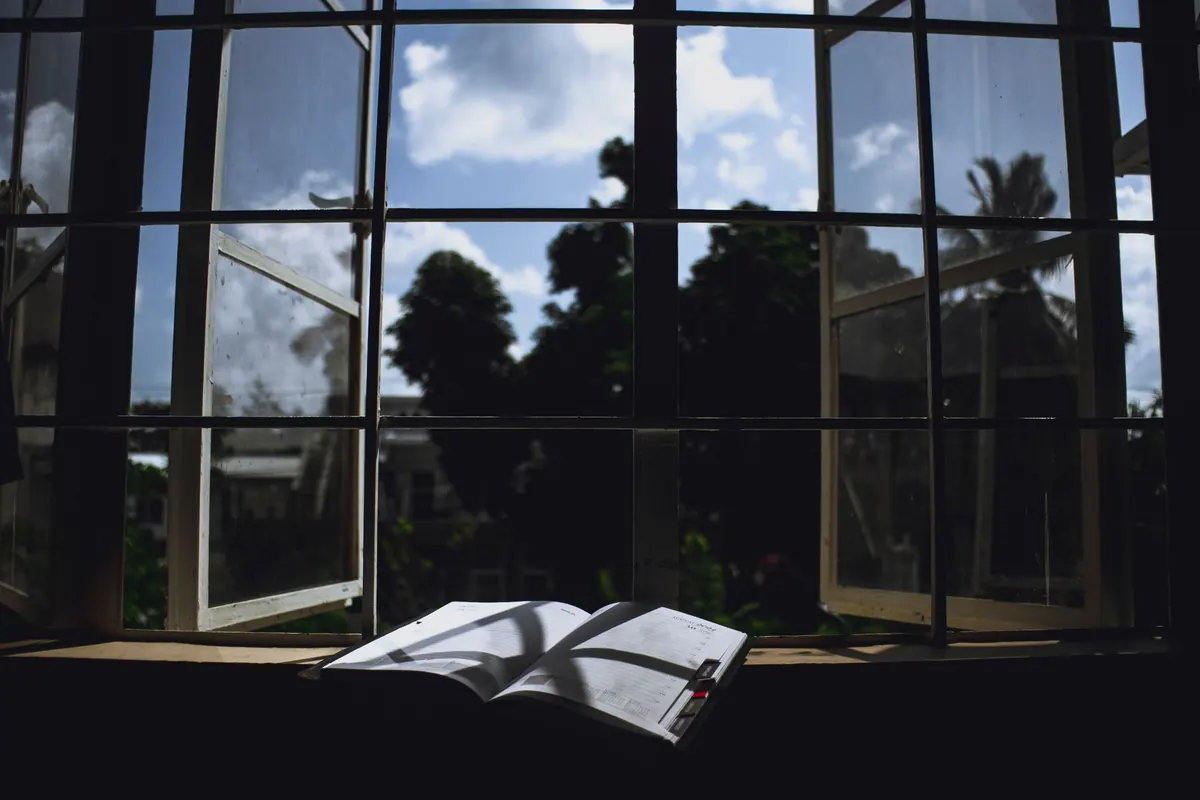
A stack of books sits on your nightstand with a bookmark parked at page 68. You meant to get back to it on Tuesday. That was six weeks ago. Now opening the cover feels like a small obligation you keep failing, and the longer you wait, the heavier the book gets.
A reading slump is not evidence that you have changed as a person or lost the ability to concentrate. Usually it means something in your schedule, your book choice, or your expectations stopped fitting together. Working out which part slipped is most of the fix.
What a Reading Slump Actually Is
A slump is the gap between wanting to read and actually reading. It is not a busy week, and it is not a slow month spent inside one long novel. It is the stretch where picking up a book produces mild dread instead of curiosity, and where you keep choosing almost anything else.
Two signs are reliable. You keep not-reading the same book, opening it, reading half a page, and setting it down. Or you avoid reading entirely, feel vaguely bad about it, and still do nothing. Both point to friction rather than a character flaw.
People often blame their attention span. More often the problem is simpler: the book is on the other side of the room, the phone is already in your hand, and the only reading window you have left is ten minutes before sleep, when nothing sounds appealing.
The Causes Worth Knowing
The book was wrong for the moment
Timing matters more than taste. A dense history or a slow literary novel can be wonderful in a reading groove and impossible during a stressful month. If you have been stuck at page 40 for eight weeks, that is information, not a discipline problem. Plenty of slumps end the minute you switch books.
The decision got too big
When there are thirty unread books on the shelf and no clear place to start, choosing becomes the hardest part of reading. So you watch something instead, because watching requires no decision at all. A large to-be-read pile can quietly become a reason not to read.
Screens filled the small gaps
Reading used to live in the pockets of the day: the coffee line, the ten minutes before a meeting, the wait while the pasta water boils. Screens took those pockets, and they took them so gradually that nobody noticed the trade.
Life got loud
New job, new baby, a move, an illness, a hard season with family. Reading slumps track life events far more often than they track personality. When you are running on little sleep or high stress, expecting yourself to finish three books a month is not ambition. It is a setup.
Reading turned into a scoreboard
A yearly goal, a public challenge, a shelf of books you feel you should have read by now. Once reading becomes a number to defend, a missed day can turn into a missed month, because the activity now comes with a verdict attached.
The Guilt Spiral Is What Makes It Last
The most common reason a two-week slump becomes a six-month one is guilt. You skip reading for a week and think, "I used to be a reader." That thought turns the activity into homework, and homework is easy to postpone. So you wait until you feel like reading again, which rarely happens, because the mood tends to arrive after you start, not before.
The way out is to lower the bar until it is nearly on the floor. One page. One paragraph. Explicit permission to abandon a book at page 30 without a funeral.
A slump usually ends on a page you did not feel like turning.
Low-Pressure Ways Back In
- Re-read something you already love. Comfort, not challenge. No new characters to memorize.
- Pick something short: a novella, an essay collection, a book of poetry, a middle-grade novel you can finish in two sittings.
- Give yourself a fifty-page rule. If the first fifty pages do not pull you, put it down and choose again.
- Keep the current book physically in your path. Kitchen table beats bookshelf, every time.
- Attach reading to something you already enjoy: morning coffee, a bath, the train, a chair by a window.
- Change the format. An audiobook on a walk counts. So does a larger font on an e-reader.
- Set a timer for ten minutes and stop when it rings, even mid-chapter. Stopping while you still want more is a feature.
- Read the same book as a friend and text about it. A small conversation is a better nudge than a goal.
- Swap the heavy non-fiction for a thriller, a romance, or a mystery. Genre is not a downgrade.
- Drop the "should" reading for now. The classics will still be there in March.
A Seven-Day Re-Entry Plan
- Day 1: Gather three candidates, one short, one familiar, one you are genuinely curious about. Put the rest of the pile in another room.
- Day 2: Read for ten minutes with a timer. That is the whole assignment.
- Day 3: Same book, same time, same chair. Repetition does more work than willpower.
- Day 4: Read fifteen minutes, or stop at ten if it feels like a slog, and notice whether you wanted more.
- Day 5: If the book bores you, switch. No penalty, no restarting the clock.
- Day 6: Stretch to twenty minutes if it feels natural. If not, stay at ten.
- Day 7: Choose your next book before you finish the current one, so there is no empty gap at the end.
Nothing here needs a tracker, a spreadsheet, or a goal. Consistency at ten minutes beats an ambitious hour you never actually sit down for.
When It Happens Again
Slumps come back. They tend to follow demanding stretches at work, a run of heavy books, travel, or any season where your evenings stop belonging to you. The useful skill is noticing early and treating the slump as information rather than a verdict.
Ask a few plain questions. Is this the wrong book? The wrong time of day? The wrong format for how tired I am? Am I waiting to feel like reading instead of just starting? Change one variable and try again tomorrow. Most slumps loosen after a single adjustment, and the ones that do not usually need a shorter book rather than more resolve.
Then keep one small promise: a page before bed, most nights. Some nights you will read forty. Some nights you will read one and fall asleep with the light on. Both count. A reading habit does not need to be impressive to survive, and it is far more likely to come back if you leave the door open instead of standing in the doorway feeling guilty.
Photo: Nothing Ahead / Pexels