Building a Cozy Autumn Reading List for Rainy Afternoons

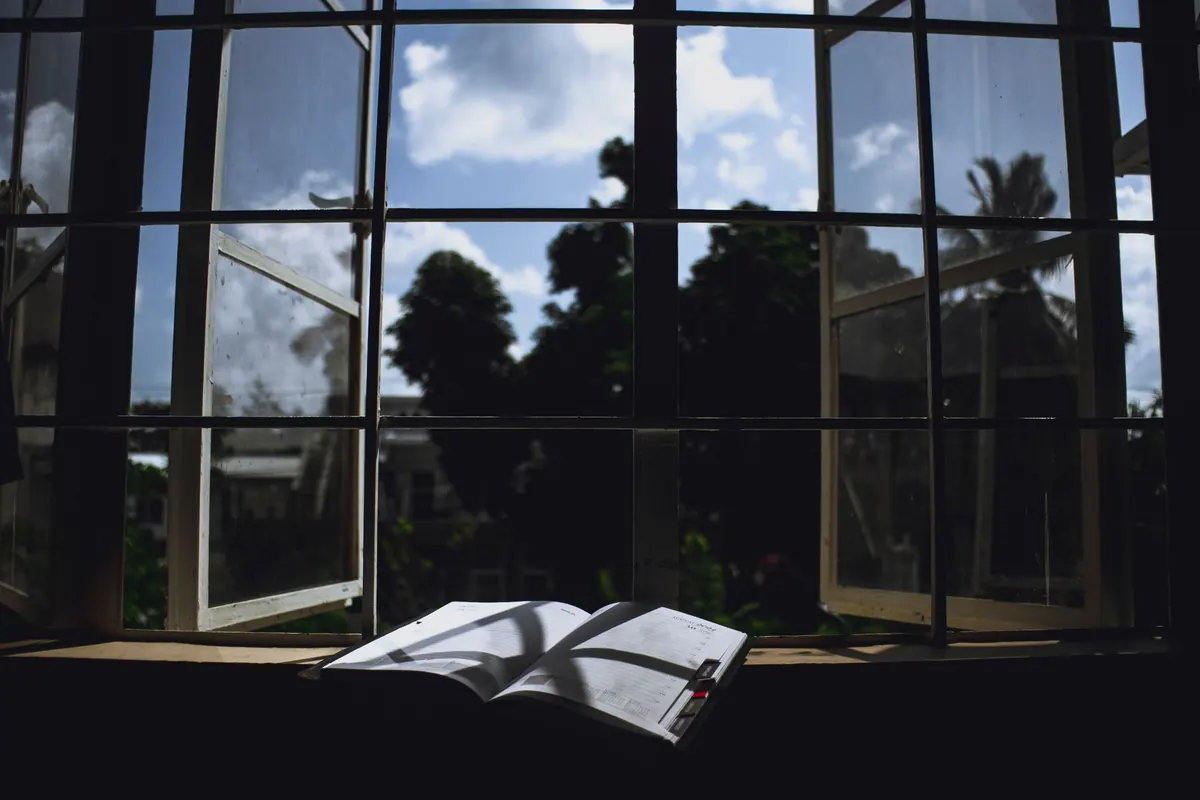
Rain on the window changes what a book can do. The same novel that felt like homework in July becomes the best hour of the day in October. Building a cozy autumn reading list isn't about reading more. It's about choosing books that fit the weather, the light, and the amount of attention you actually have left at four in the afternoon.
That takes a little planning, but not much. A short stack, chosen on purpose, beats a teetering pile you feel guilty about.
Why Autumn Books Hit Differently
The days shorten by a few minutes each week, and a reading hour appears on its own, without effort or negotiation. There is less pull to be outside and less guilt about sitting still. Autumn also brings a particular quality of light — low and gold at first, then flat grey — that makes atmosphere matter more than momentum.
In summer you want a book that keeps up with you. In autumn you want one that matches the room. Plot-heavy books still work, but the ones that stick tend to be textured: a house with a history, a narrator who notices what's cooking, weather that behaves like a character. Think of it as lowering the volume rather than the stakes.
Match the Mood, Not the Genre
Genre is a shelf label. Mood is what actually decides whether you'll open the book tonight. Two dimensions do most of the work.
Temperature and pace
Temperature runs from cozy to bracing: a warm kitchen mystery at one end, a bleak northern novel at the other. Pace runs from slow (essays, quiet literary fiction) to propulsive (thrillers, anything with trouble arriving on page three). A rainy Tuesday after a long workday usually wants warm and slow. A restless Sunday, when you're bored of your own thoughts, often wants cold and fast. Neither is better. They just belong to different afternoons.
The two-page test
You can skip the reviews. Open the book and read two pages in your normal reading voice. If the sentences feel like work, it's the wrong book for this month — not necessarily a bad book, and not a permanent verdict. If you feel a small tug to keep going, take it home. This test takes four minutes and saves weeks.
Build a Four-Book Stack
Four is enough. More than that and the choosing becomes a chore, which is the opposite of the point. Aim for one book in each of these roles:
- The anchor. One absorbing, longer book you'll read across two or three weeks. It should have enough world in it that returning feels like going back to a place — a family saga, a big historical novel, the first book in a mystery series.
- The dipper. Essays, poems, letters, or short stories. This is the book for the fifteen minutes before you have to leave, or the last ten minutes before sleep, when you can't hold a plot in your head but you can hold a paragraph.
- The escape. The one you'll stay up too late for. Give yourself permission to include something purely enjoyable here, whatever that means for you: a spy novel, a ghost story, a romance with a crumbling house in it.
- The wild card. Something outside your usual pattern — a translated novella, a nature diary, a book about a subject you know nothing about. Autumn evenings are long enough to be curious.
Write the four titles on a scrap of paper and stick it somewhere visible. A note on the fridge beats a wishlist buried in an app you never open. If you use the library, place your holds in one batch so the books arrive together; most systems let you delay a hold if the timing is off.
A Grey-Day Shelf Map
Once you know how the mood usually lands on a wet afternoon, choosing gets fast. Use this as a rough guide and adjust it to your own taste:
- Hard rain, restless mind: something propulsive. A crime novel, a survival story, anything where a decision has consequences within a chapter.
- Soft rain, tired body: something slow and sensory. A domestic novel, a food memoir, a book set in one house.
- Dark by five, low energy: short pieces. Essays, poetry, a novella you can finish in two sittings and feel complete.
- Feeling flat or frayed: a familiar book you've read before. Rereading asks less of you than starting something new, and the comfort is real.
- Rare bright afternoon: save the demanding one. Long, difficult books do better in daylight.
If you're dealing with low mood that lasts more than a season, a booklist isn't the answer — talk to someone qualified. Reading is a good companion, not a treatment.
Set Up the Afternoon, Not Just the Book
The stack does half the work. The other half is the forty-five minutes you protect for it. A few small preparations make the difference between reading and scrolling with a book nearby.
Put the phone in another room, not face-down on the arm of the chair. Make a pot of tea rather than a mug, so you don't get up twice. Sit somewhere with a lamp behind your shoulder instead of overhead light. If you like rain sounds, open the window a crack and use the real ones. Set a timer if you tend to bargain with yourself; forty-five minutes is a good target, and finishing early is allowed.
One more thing: end on a page you're looking forward to. Stopping mid-chapter rather than at the end of one makes it much easier to pick the book back up tomorrow.
Quitting a Book Is Part of the Method
Give a book forty or fifty pages. If you're still counting pages instead of reading them, put it on a "later" shelf — not the donation box, not a moral failure. Some books are for other years. A stack of four is a plan, not a contract, and swapping one out in week two is a sign the plan is working.
Be equally honest about the season. If you picked a novel because the cover was rust-orange and the title had the word harvest in it, but the story is doing nothing for you, the cover did the choosing. Take it back.
Keep the Stack Small and Warm
Four books, one chair, one lamp, and a standing appointment with a rainy afternoon. That's the whole method. When the first frost arrives and the afternoons turn dark early, rebuild the stack: keep whatever you didn't finish, retire whatever didn't fit, and add one wild card you wouldn't have chosen in September. The list is meant to change with the weather. Rebuild it in an evening, then go read.
Photo: Feyza Daştan / Pexels